
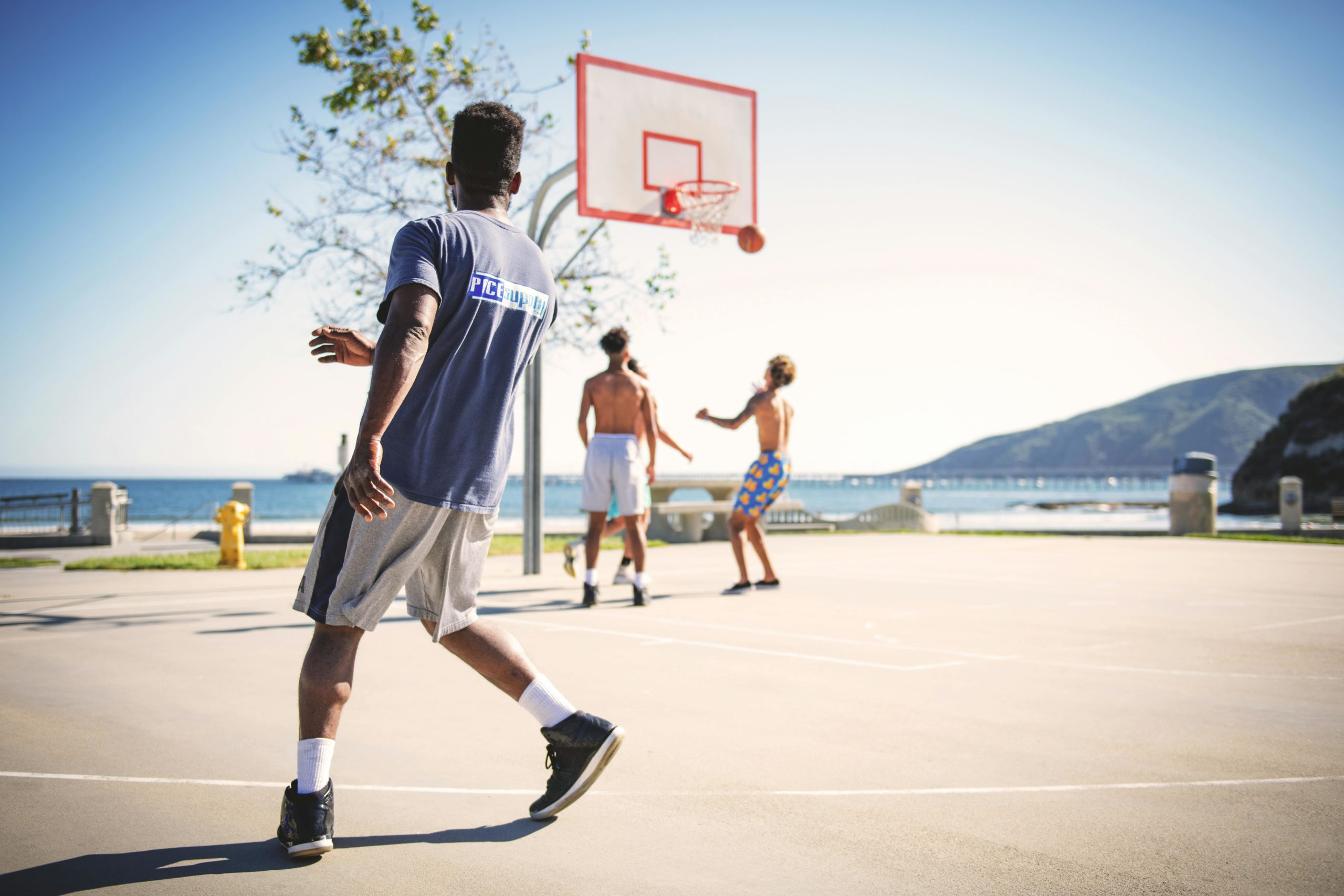
It starts as a small ache just below your kneecap. At first it only shows up after basketball, volleyball, a trail run above Lithia Park, or a long day of squatting in the garden. Then it starts showing up on the stairs, when you stand up from a low chair, or the morning after a game.
The strange part is that it often feels better once you warm up. So you keep playing, and afterward it bites back harder. If that pattern sounds familiar, you may be dealing with patellar tendinopathy, often called jumper’s knee. If you’re looking for patellar tendinopathy treatment in Ashland, OR, this article explains what’s going on and how we approach it.
It’s a frustrating problem because it takes away the things you do to feel good. Resting doesn’t seem to solve it, and pushing through doesn’t either. You’re not imagining that, and it isn’t because you’re weak or careless. Tendons simply play by different rules than muscles.
What’s Happening Inside Your Knee
Your patellar tendon connects the bottom of your kneecap to the front of your shinbone. Together with your quadriceps, it works like a spring: it stores energy when you land or bend your knee under load, then releases it when you jump, push off or climb.
Patellar tendinopathy develops when the load on that spring outpaces its capacity for long enough. The tendon becomes sensitive, usually right at the lower tip of the kneecap, and its fibers become less organized. Despite the old name “tendinitis,” longer-lasting cases usually aren’t driven mainly by inflammation, which is why ice and anti-inflammatories tend to offer only short-term relief.
A few things commonly tip the balance:
- A sudden jump in training. A new league, a tournament weekend, or more hill running than your tendon is used to.
- Lots of jumping and landing, especially on hard courts.
- How the load is shared. If your hips and ankles aren’t absorbing their part of each landing, the knee and its tendon take more of the force.
- Too much rest, then too much load. Complete rest lowers the tendon’s capacity, so the first big week back can flare it.
Tendons adapt slowly, over weeks to months. That’s the main reason this problem feels stubborn: the usual cycle of rest and return never gives the tendon the steady, progressive load it needs to get stronger.
How I Assess Jumper’s Knee
As a chiropractor in Ashland who works with active adults and athletes, my first job is to make sure we’re treating the right thing. Front-of-knee pain has several possible sources, and they need different plans. At your first visit I’ll:
- Ask about your sport, training load, recent changes and when the pain shows up
- Press along the tendon to find exactly where it’s sensitive
- Use a single-leg decline squat to see whether it reproduces your familiar pain, and use your pain rating as a baseline we can track
- Look at how you land, squat and step down, including how your hips, ankles and feet share the load
- Check strength in your quads, calves and hip muscles
- Rule out look-alikes such as kneecap joint irritation (patellofemoral pain), fat pad irritation, and in younger athletes, growth-plate irritation at the top of the shin
Most of the time the diagnosis is clear from your history and exam. If something doesn’t add up, or the tendon isn’t responding as expected, imaging or a referral may be the right next step.
My hands-on care is gentle, low-force chiropractic for the hips, ankles, feet and lower back where it helps you move better, plus soft-tissue work for the muscles around the knee. That hands-on work helps you move more comfortably, but the main driver of tendon recovery is well-dosed exercise.
Your Plan in 3 Simple Steps
- Contact Dr. Volz. Send a short message through my contact page, and I’ll get back to you about scheduling.
- Get assessed. We confirm what’s driving your pain and set a baseline so we can measure progress.
- Follow a plan that fits. A typical plan moves through stages:
- Calm it down: adjust jumping volume rather than stopping all activity, and start isometric holds, such as a wall sit or a held leg extension, which many people find eases tendon pain.
- Build capacity: slow, heavy strength work for the quads, calves and hips, progressed week by week.
- Restore the spring: add faster loading, such as hops, skips and jumps, once strength and symptoms allow.
- Return to sport: rebuild practice and game volume gradually, using your pain response as a guide.
Mild discomfort during the exercises is usually acceptable, as long as it settles by the next morning. I’ll teach you how to read that response so you can adjust on your own.
If your tendon problem has stalled despite a solid rehab program, radial shockwave is one more option we can discuss; you can read more at Ashland Shockwave.
Get Back on the Court
If knee pain is keeping you off the court, the trail or the dance floor, contact Dr. Volz and tell me what’s going on. I work with athletes and active adults from Ashland, Medford, Talent, Phoenix and across the Rogue Valley.
What Success Looks Like, and the Cost of Waiting
Success looks like stairs you don’t think about, a full practice without paying for it the next morning, and the confidence to land a jump without bracing. It also looks like knowing what to do if the tendon starts to talk to you again, so a flare is a small adjustment rather than a lost season.
Be patient with the timeline. Tendons often need several weeks to a few months of consistent loading, and progress isn’t always a straight line.
If you push through or ignore it, jumper’s knee tends to linger. Many athletes cycle through short layoffs and painful returns, train less, and start changing how they land in ways that load the other knee or the hips. The earlier we give the tendon the right kind of work, the easier it tends to be.
When to See a Physician
Please get medical care promptly if you notice:
- A pop followed by trouble straightening your knee or a gap below the kneecap
- Rapid swelling after an injury, or a knee that locks or gives way
- A hot, red, swollen knee, or fever
- Pain that is severe at night or not related to activity
- Tendon pain that started after taking a fluoroquinolone antibiotic (talk to your prescriber)
Keep Reading
See the full list of problems I help with on my Conditions page, or learn what to expect from gentle chiropractic care in Ashland.
This article is general education, not a diagnosis. An in-person assessment is the best way to understand your knee.