
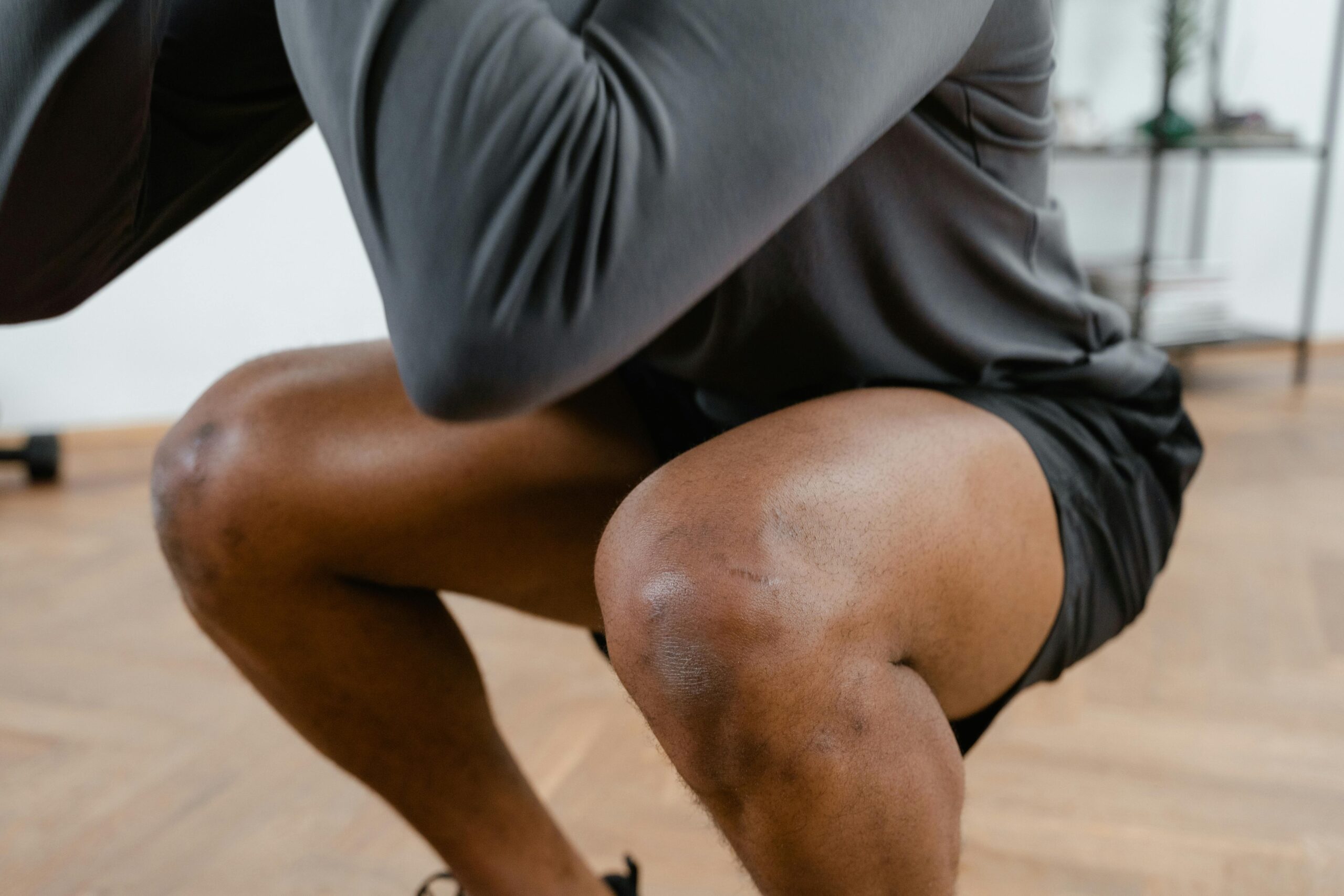
Someone held up your X-ray and said the words: “bone on bone.” Since then, every stiff morning, every careful step down the stairs, and every hike you turned down has felt like proof that your knee is wearing out and surgery is the only road left.
Maybe that’s where you’ll end up, and if it is, knee replacement helps a lot of people. But for many people with knee osteoarthritis, surgery doesn’t have to be the first step. If you’re looking for knee osteoarthritis treatment in Ashland, OR that starts with your own knee, this article explains what’s happening in the joint and what a well-structured conservative plan looks like.
First, a word about how you may be feeling. It’s discouraging to be told your joint is “worn out,” and it’s natural to stop moving to protect it. That instinct makes sense. It just doesn’t usually help the knee in the long run.
What “Bone on Bone” Does and Doesn’t Mean
Your knee joint is lined with cartilage, a smooth, slippery tissue that helps the thigh bone and shin bone glide. Osteoarthritis involves gradual changes in that cartilage, the bone beneath it, the joint lining and the surrounding muscles and ligaments. On an X-ray, it shows up as a narrower joint space and small bony spurs.
Here’s what surprises many people: the picture on an X-ray and the pain you feel often don’t line up neatly. Research has repeatedly found that some people with severe-looking X-rays have little pain, while others with mild changes hurt a lot. Pain in an arthritic knee is influenced by many things beyond the cartilage, including:
- Muscle strength, especially the quadriceps, which act as the knee’s shock absorbers
- Joint irritation and swelling, which can flare and settle
- How the hip, ankle and foot share the load with every step
- Activity level, sleep, stress and overall health
- Body weight, since each step multiplies the load through the knee
Many of those factors can change. Cartilage changes are usually not reversible, but how your knee feels and functions often is more changeable than people are told. Cartilage also depends on movement to stay nourished. That’s why avoiding activity, while understandable, tends to leave the knee stiffer and weaker over time. You haven’t failed your knee; you were simply given an incomplete picture.
How I Assess an Arthritic Knee
As a chiropractor in Ashland who works with active adults, I want to understand your whole knee, not just your X-ray. At your first visit I’ll:
- Ask what you want to get back to: hiking, gardening, travel, chasing grandkids
- Look at how you walk, squat, climb a step and rise from a chair
- Measure knee range of motion and strength in the quads, hamstrings and hips
- Check the hip, ankle and foot, since stiffness there often loads the knee more
- Look for signs of a flare, such as warmth or swelling, and for other pain sources like tendons or the kneecap joint
- Review any imaging you have, and recommend imaging or a medical referral if your exam calls for it
My hands-on care is gentle and low-force. I use precise adjustments and mobilization for the hip, ankle, foot and lower back where it helps you move more comfortably, plus soft-tissue work around the knee. Those tools help reduce guarding and make movement feel safer, so the most important part of the plan, exercise, becomes possible.
Your Plan in 3 Simple Steps
- Contact Dr. Volz. Send a short message through my contact page, and I’ll get back to you about scheduling.
- Get a clear assessment. We’ll map what’s driving your pain and set a few simple measures, like chair rises and walking comfort, to track progress.
- Follow a plan that fits. A typical plan includes:
- Calming flares with load adjustments rather than complete rest
- Progressive strengthening for the quads, hips and calves, starting where your knee is comfortable and building week by week
- Movement practice for walking, stairs and getting up from the floor
- A home program that’s short enough to do most days
This isn’t a fringe idea. Major osteoarthritis guidelines recommend exercise and education as core, first-line treatment for knee arthritis. A well-known randomized trial in the New England Journal of Medicine (Skou and colleagues, 2015) found that many people with knee arthritis who completed a structured non-surgical program improved meaningfully. Knee replacement produced larger average gains for those who had it, along with more complications. The takeaway: a solid conservative program is worth trying first, and surgery remains an option if you need it later.
If part of your knee pain comes from a tendon around the joint and that tendon problem has stalled despite a solid rehab program, radial shockwave is one more option we can discuss; you can read more at Ashland Shockwave.
Take the Next Step
If you’ve been told surgery is your only option and you want to make sure you’ve tried a real conservative plan first, contact Dr. Volz and tell me what’s going on. I see people from Ashland, Medford, Talent, Phoenix and across the Rogue Valley.
What Success Looks Like, and What Happens If You Wait
Success looks like stairs taken without bracing, a morning walk that doesn’t need a warm-up negotiation, and a day in the garden followed by a normal night’s sleep. It looks like strength numbers going up and flares that are smaller and shorter because you know what to do. For some people, it means postponing surgery. For others who do go on to surgery, it means going in stronger, which tends to help recovery.
Results vary. Progress is usually gradual, over weeks to months, and depends on consistency.
If you wait and keep avoiding movement, the usual pattern is a slow loss of strength and confidence: shorter walks, more stiffness, and more reliance on the other leg. That cycle can make the knee feel older than it is. Starting now, while you still have strength to build on, is usually easier than starting later.
When to See a Physician
Please see a physician promptly if you have:
- A hot, red, very swollen knee, or fever
- A knee that suddenly can’t bear weight, or pain after a fall or twist
- Locking, or a knee that repeatedly gives way
- Calf pain, swelling or redness, especially after surgery, travel or immobility
- Pain that is severe at night or at rest and steadily worsening
If surgery is the right call for you, I’ll tell you, and I’m happy to work alongside your orthopedic team.
Keep Reading
See the other problems I help with on my Conditions page, or learn how gentle chiropractic in Ashland fits into an active recovery plan.
This article is general education, not a diagnosis or a recommendation for or against surgery. Discuss surgical decisions with your physician.