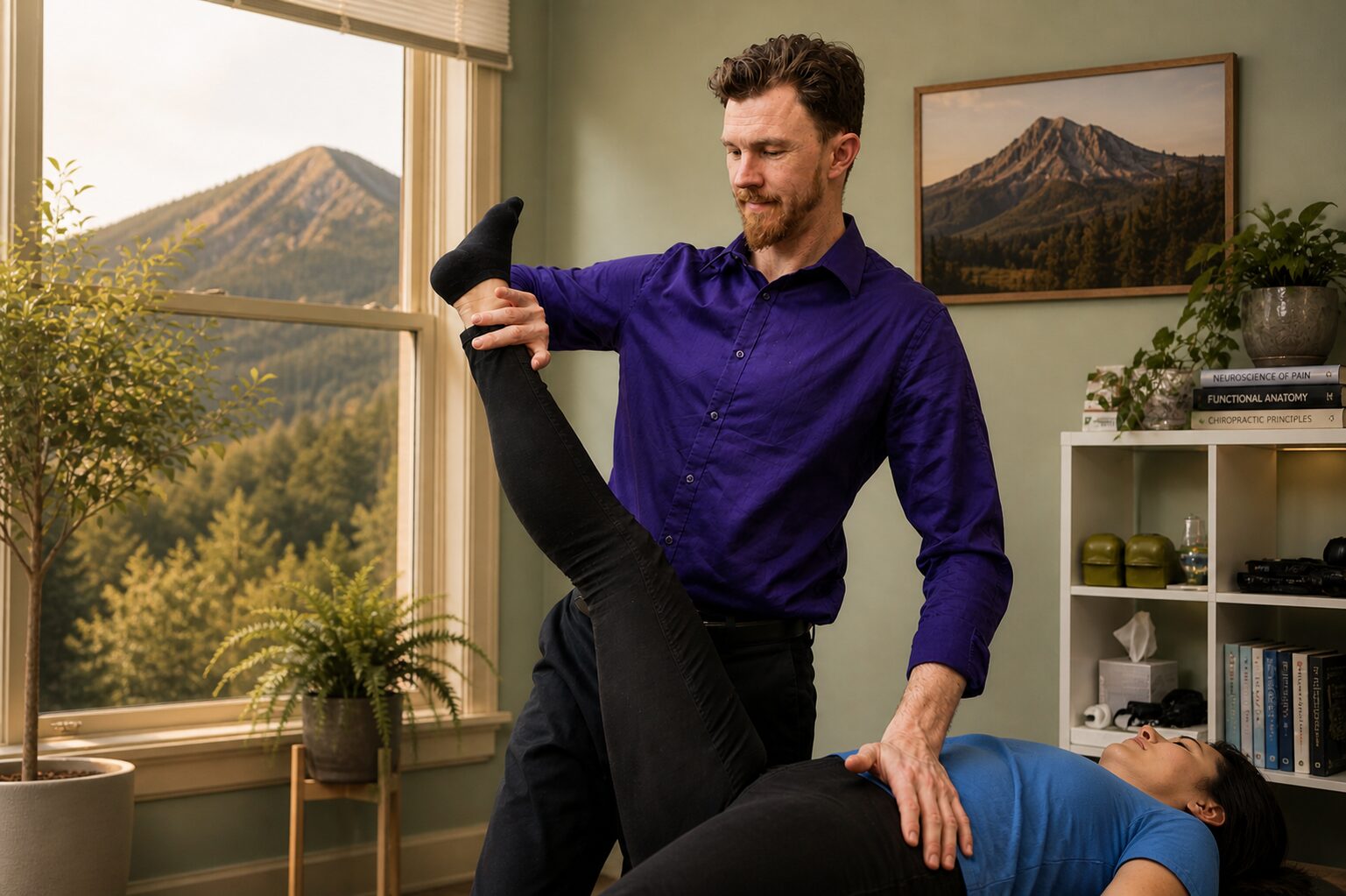
Non-Surgical Hip Replacement
A conservative protocol targeting the root causes of hip dysfunction — without surgery, without the recovery time.
When hip pain becomes a quality of life issue
Most people told they need hip surgery have never been fully evaluated for what is actually driving the dysfunction. Arthritis, labral tears, bursitis, and impingement all have a mechanical component — and that component can often be addressed without an operation.
The Non-Surgical Hip Replacement protocol is an 8-week structured program combining joint mobilization, shockwave therapy, targeted rehabilitation, and lifestyle support to restore function and reduce pain.
Who this approach fits best
Hip osteoarthritis (Grades 1–3)
When joint degeneration is present but surgery has not yet been advised as urgent, this is often the window where conservative care produces the strongest and most durable results.
Labral tears, bursitis, or impingement
These are mechanical problems with a strong biomechanical and soft-tissue component. Addressing the root mechanics is often more durable than injection or surgery alone.
Still able to walk and bear weight
Even with pain, a limp, or significant stiffness — if you can still move on the joint, there is usually a conservative path worth exploring before committing to surgery.
What the protocol includes
Joint mobilization and alignment
Gentle, precise techniques to free the hip capsule, restore range of motion, and relieve the mechanical pressure that drives pain and compensation.
Shockwave therapy (ESWT)
Regenerative shockwave treatments stimulate cellular repair, reduce inflammation, promote cartilage recovery, and have outperformed steroid injections in clinical research for hip arthritis and bursitis.
Targeted functional rehabilitation
A progressive program to restore hip stability, retrain natural movement patterns, and rebuild the strength that protects the joint over the long term.
What patients typically experience after treatment
- Improved walking, balance, and ease of movement
- Reduced pain and morning stiffness
- Avoided or significantly delayed surgical procedure
- Confidence returning to daily activity, hiking, and recreation
Start with a full hip evaluation
We will assess joint mechanics, functional movement, and orthopedic testing — and give you a clear picture of what is driving your symptoms before you commit to any plan.